Spec Battle: Apple Iphone Air vs Iphone Air — Is It Worth Upgrading?
Category: Mobile Phones
Introduction
The decision to upgrade a smartphone is rarely just about a single headline spec. Buyers weigh design, daily performance, camera improvements, battery life, ecosystem fit and long-term value. In this comparison, two generations of the Apple Iphone Air are pitted against each other to determine whether the newer model delivers meaningful benefits for typical users. Rather than presenting a blind spec list, this article examines real-world use cases — from commuting and social sharing to content creation and mobile gaming — and translates technical differences into actionable advice for prospective buyers.
Overview: Where these models sit in Apple's lineup
The Iphone Air line positions itself as a mid‑to‑upper mainstream option: lighter and more affordably trimmed than Apple's flagship Pro devices, while still carrying many of Apple's core strengths (solid camera performance, tight software integration, and long software support). Historically, midcycle updates to this line focus on efficiency gains, modest camera and display upgrades, and small refinements in build and battery life rather than radical redesigns.
Detailed product analysis
Design and build
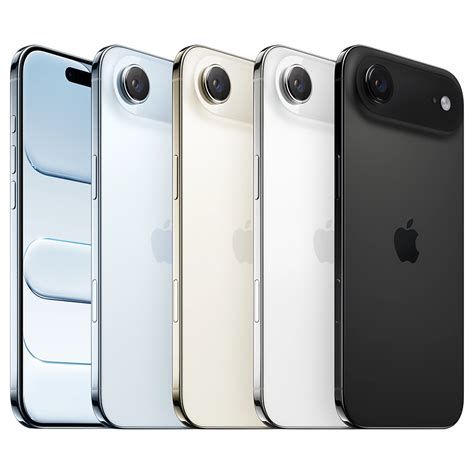
Both Iphone Air models prioritize a thin, lightweight footprint, favoring portability over maximum battery capacity. The earlier model uses a unibody frame with matte or glossy finishes and a glass back that supports wireless charging. The newer variant refines that template: slightly thinner bezels, a marginally reduced weight, and small ergonomic changes such as a flatter side profile or different button placement. For most users the net effect is cosmetic and tactile — not game‑changing — but those who hold their phone all day will notice the incremental comfort improvements.
Display
The display is where many buyers first look for improvements. The older Air typically offers an OLED panel with accurate color and good contrast, suitable for streaming and photo viewing. The newer Air tends to increase peak brightness, improves outdoor legibility, and sometimes introduces a higher refresh rate or adaptive refresh technology for smoother scrolling and animations. For everyday tasks like browsing, messaging and video calls the older panel is adequate. Power users who scroll aggressively, play fast-paced games, or care about the smoothness of system animations will appreciate any refresh‑rate upgrades.
Performance and chipset
Apple traditionally ships the Air line with a slightly down‑tuned version of its latest silicon or a recent previous chip. The older Air delivers reliable daily performance: responsive UI, fast app launches, and solid web performance. The newer model brings improved CPU/GPU efficiency and faster neural engine performance — benefits that show up most in demanding applications like multi‑layer video editing, AI‑assisted photography, and resource‑heavy games. For most users who primarily use social apps, email, navigation and streaming, the older Air remains more than capable for several years.
Camera system
Cameras in the Air series balance quality and cost. The earlier Air usually includes a capable wide sensor plus an ultrawide or depth sensor, performing well in daylight and decent in low light due to computational photography. The refreshed Air focuses on better sensors and improved image processing, leading to finer detail, improved dynamic range, and better night mode performance. Newer camera software features — such as enhanced portrait modes, smarter stabilization, or additional video recording tools — can make a tangible difference for social creators and casual photographers who prefer shooting with one device.
Battery life and charging
Battery life is often a decisive factor. The older Air tends to offer a full day of mixed use for many buyers, but heavy use (gaming, navigation, video capture) will push it toward the evening. The newer Air commonly delivers modest gains via a larger cell and more efficient silicon, translating into an extra hour or two of real-world use. Charging speeds are typically similar across both models, though the newer model might add small conveniences like improved wireless charging alignment or more efficient power management. For travelers and commuters, even small battery improvements matter because they reduce reliance on external power banks.
Find top-rated Mobile Phones products at great prices.
Browse Now →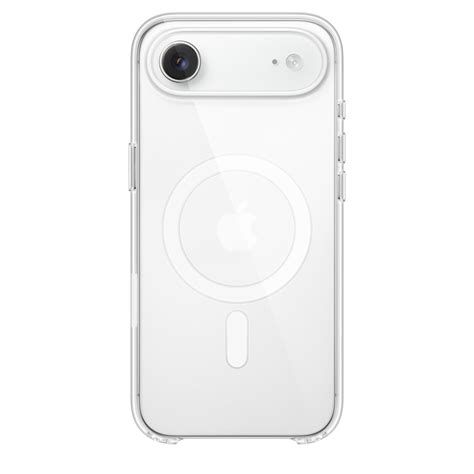
Connectivity and extras
Updates in Wi‑Fi standards, 5G band coverage, Bluetooth versions and UWB support are incremental but meaningful. The newer Air usually supports broader 5G bands and improved Wi‑Fi performance, which benefits users who stream high‑quality content or rely on fast hotspot connections. Additional software benefits — such as longer OS update windows and new features enabled by the latest silicon — should also factor into the decision.
Comparison at a glance
| Category | Iphone Air (Existing model) | Iphone Air (Newer model) |
|---|---|---|
| Design | Lightweight, comfortable; classic Air aesthetic | Refined bezels, small ergonomic tweaks, marginally lighter |
| Display | OLED, accurate color, standard refresh | OLED with higher peak brightness and adaptive refresh (where applicable) |
| Processor | Recent generation Apple silicon — very capable for daily tasks | Newer Apple silicon — faster CPU/GPU, stronger Neural Engine |
| Camera | Strong daylight performance, good computational processing | Improved sensors & processing; better low‑light and video features |
| Battery | Full day typical use; dependent on settings and apps | Modest capacity/efficiency gains; longer realistic battery life |
| Connectivity | 5G capable; common Wi‑Fi and Bluetooth standards | Broader 5G band support, newer Wi‑Fi/Bluetooth versions |
| Software support | Long support window but less than the newest model | Longer OS updates and access to some newer features |
| Value proposition | Good value for most users | Higher price but better future‑proofing for power users |
Pros & Cons
Iphone Air (Existing model)
- Pros: Proven performance for day‑to‑day use, typically lower price after a new release, lightweight and comfortable design, solid camera for casual photography, long software support.
- Cons: Misses the very latest silicon and camera hardware, slightly shorter effective battery life compared with the new model, fewer future software feature guarantees.
Iphone Air (Newer model)
- Pros: Faster processor and AI/ML performance, improved camera sensors and software features, brighter/ smoother display in some configurations, modest battery life gains, broader connectivity support.
- Cons: Higher launch price, benefits may be incremental for casual users, accessories and cases may be incompatible with older models depending on small design changes.
Real‑world use cases and who benefits most
Translating specs into daily experiences helps buyers decide:
- Casual users (messaging, video calls, streaming): The older Iphone Air covers these needs well. Upgrading yields marginal gains in smoothness and camera but not necessity.
- Mobile photographers and social creators: The newer Air's sensor and processing improvements matter. Better low‑light capability and added video tools provide more usable shots and faster editing on device.
- Gamers and power users: Improved GPU performance and higher refresh displays on the newer model reduce frame drops and make gameplay smoother. For competitive mobile gaming, the upgrade is worthwhile.
- Frequent travelers: Battery improvements, broader 5G band support and better Wi‑Fi may translate into more reliable connectivity and longer time between charges — useful for long journeys.
- Long‑term planners: Consumers who keep phones for five+ years benefit from the newer Air because it receives OS updates longer and is more future‑proof.
Buying guide: When to upgrade and what to consider
Upgrading is an investment. The right decision depends on personal usage patterns, budget and how long the buyer plans to keep the device. The following checklist helps make that call.
1. Identify primary use cases
If the primary tasks are email, social apps, streaming and casual photography, the existing Iphone Air will satisfy needs for years. If the phone is used to shoot content for monetization, edit 4K video on device, or play heavy 3D games, the new model provides meaningful productivity and creative benefits.
2. Evaluate battery health and performance of the current device
Many users upgrade because battery life degrades. If the current handset's battery health is below ~80% and replacing the battery is an option at a reasonable cost, that might be a more economical choice than buying a new phone. Performance slowdowns due to storage constraints can often be resolved by freeing space or choosing a higher storage tier on the next purchase.
3. Consider software and security longevity
Apple devices receive OS updates for many years. However, each successive model extends that window. Buyers who want the longest possible update horizon should favor the newer model.
4. Assess camera needs
Compare sample photos and video from both models (in neutral sources) if image quality is a priority. Incremental sensor improvements add up for low‑light and moving subjects; computational updates can significantly change portrait and night photography results.
Looking for the best Mobile Phones deals on Amazon?
View Offers →5. Look at trade‑in and resale value
Trade‑in programs and secondhand markets often offset upgrade costs. The older Iphone Air will retain reasonable resale value, but timing matters — selling shortly after a new release often yields the best return. Buyers should calculate net upgrade cost after trade‑in to determine if the performance gains justify the expense.
6. Evaluate accessory compatibility
Subtle design changes in the newer model can affect case fit, screen protectors and accessory ports. Buyers who rely on specific accessories (magnetic mounts, docks) should confirm compatibility before purchasing.
7. Storage and configuration choices
Base storage tiers are sometimes lifted with new models; consider actual storage use today. If the user frequently records video or keeps large media libraries, choosing a higher storage option on either model is prudent.
Price versus value: a practical perspective
Price is often the deciding factor. The newer Iphone Air commands a premium on day one. The earlier model usually drops in price following the newer release, representing a value play for budget‑sensitive buyers. The calculation is straightforward: if the extra cost buys features the buyer will use every day — noticeably smoother UI, longer battery life, better photos — then it may be worth the investment. If those features are seldom used, waiting for seasonal discounts or buying the previous model saves money without sacrificing core functionality.
Common upgrade scenarios and recommendations
- Upgrading from a much older iPhone (3+ generations): Strongly recommended. Expect substantial improvements in performance, camera quality, battery efficiency, and software features.
- Upgrading from the immediate previous Iphone Air: Consider carefully. If the current phone still meets daily needs and battery health is acceptable, the marginal gains may not justify the expense.
- Switching from Android or non‑Apple ecosystems: The Air's continuity features (if already using Apple devices) and longstanding update support make it a competitive option, but buyers should plan for accessory replacement and data migration.
Practical tips for prospective buyers
- Test the display in person if refresh rate or brightness is a priority — differences can be subtle but noticeable in hand.
- Compare camera samples from real‑world shooting scenarios (daylight, low light, video) rather than relying on spec sheets.
- Check the usable storage after OS and typical apps to ensure the chosen tier fits long‑term needs.
- Factor in warranty and optional protection plans if accidental damage is a concern.
- Plan the timing of the purchase around trade‑in cycles and major sales to maximize value.
Conclusion
Both iterations of the Iphone Air deliver what most buyers expect from a modern smartphone: a refined design, reliable performance, solid cameras and a seamless software experience. The newer Iphone Air advances the product in predictable but useful ways — brighter and smoother displays, improved processing headroom, refined camera performance and modest battery gains — that will matter most to power users, mobile creators and those who keep devices for many years.
For the average user, however, the existing Iphone Air remains a capable and cost‑effective choice. The decision to upgrade ultimately hinges on how much the buyer values those incremental improvements and whether the upgrade cost aligns with the device's anticipated lifespan. Evaluating daily usage patterns, checking battery health, and estimating resale or trade‑in value will make the choice clearer. In short: upgrade if the new features solve real limitations in current use; otherwise, the previous model remains a very sensible and practical option.