Is the Pixel Buds 2020 Truly Wireless Still Good in 2026? Long-Term Review
Introduction
I bought the Pixel Buds 2020 truly wireless earbuds shortly after they launched. At the time I wanted something that paired cleanly with my Android phone, had comfortable fit for long walks, and offered decent sound without breaking the bank. I've spent several months using them back in 2020–2021 and then came back to them for another few months of testing in early 2026 to see how they hold up against modern earbuds. In this long-term review I’ll share what I found, including the things I appreciated, what started to annoy me over time, how they compare to more recent alternatives, and whether they still make sense to buy or keep using today.
What I used them for
My daily routine with the Pixel Buds 2020 included commuting, phone calls, podcasts during chores, and several exercise sessions per week (mostly runs and gym workouts). Recently I also used them for focused listening sessions at home to judge how their sound profile holds up against newer earbuds that added active noise cancellation and improved drivers. I paired them with multiple devices — a couple of Android phones, a Chromebook, and sometimes a Windows laptop via Bluetooth.
Design, fit, and comfort
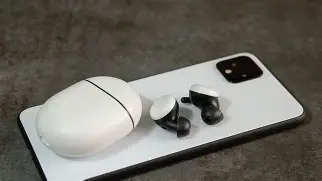
The Pixel Buds 2020 design is clean and unobtrusive. The earbuds are smallish, with a short stem and soft silicone tips. In my experience they are among the most comfortable earbuds of their era: I could wear them for a few hours at a time without noticeable ear fatigue. The exchangeable silicone tips helped me get a reasonably good seal, which matters for bass and passive isolation.
That said, fit is an area where I had mixed feelings. On brisk runs the right bud occasionally worked loose — not a catastrophic slip, but enough that I’d pause to tuck it back in. If you have very active workouts or prefer a locked-in feel, the Pixel Buds 2020 aren’t as secure as the latest sport-focused models with winged tips or memory-foam seals. For walking, commuting, and office work, I found them reliable and comfortable.
Build quality and the case
The plastics used for the buds and case feel decent, not premium but not cheap. The case is compact enough for a pocket, and the USB-C charging port is a practical feature that still matters in 2026. After several months of repeated pocketing and daily use I saw only minor scuffs; no cracks or hinge failure.
Battery health on the case declined slowly. When new I would get several full recharges from the case; in 2026 after prolonged use, the case still provides a handful of additional charges but not as many as new. If you plan to buy a used pair, check the case battery capacity carefully because that’s a common point of wear.
Sound quality and listening experience
Sound is where the Pixel Buds 2020 are both pleasantly surprising and conventionally limited. In my experience their tuning is mid-forward — vocals and podcasts come through clearly, which makes them great for spoken-word content and many genres of music. The highs are crisp without being overly bright, and the mids are very clear.
What I missed most was deep, physical bass. The Pixel Buds 2020 deliver bass that is controlled and accurate for pop and acoustic music, but it lacks the visceral impact you get from newer earbuds with larger drivers or tuned bass boost modes. If you listen to bass-heavy electronic music or want a club-like feel, you’ll notice the limitation immediately. For everyday listening, though, I found the balance easy on the ears and fatigue-free.
Discover deals on Audio & Headphones — updated daily.
Shop Amazon →There is no active noise cancellation (ANC) on this model. The passive seal and the earbuds' physical profile do reduce ambient noise somewhat, but in noisy environments—on a busy street or inside a subway car—they do not isolate nearly as well as ANC-equipped earbuds. I noticed this most on trains: after a short while I switched to ANC earbuds because the Pixel Buds let too much background rumble through.
Controls, connectivity, and software
Touch controls on the stems are simple and mostly reliable: play/pause, skip tracks, and summon Google Assistant. In my usage the controls responded well, though occasionally a mis-tap would register when I was adjusting fit rather than issuing a command.
Connectivity was one of the Pixel Buds' strengths. They paired instantly with my Pixel phone via fast pairing and stayed connected most of the time. I did encounter occasional Bluetooth drops when moving between rooms or when my phone was in a tightly shielded pocket, but these were infrequent and usually resolved by briefly opening the case or reestablishing connection. Firmware updates over the years improved stability, which I appreciated.
The companion experience via the Google ecosystem is a real advantage if you’re deep into Android: Google Assistant integration, earbuds battery status on Android quick settings, and Find My Device integration for lost earbuds are helpful quality-of-life features. If you’re primarily an iPhone user, you miss some of these conveniences.
Call quality and microphones
Call quality was decent for casual phone calls. People on the other end told me my voice sounded clear enough, though there was sometimes wind or background noise if I made calls outdoors. The microphones handle indoor calls well, but in noisy outdoor conditions I noticed the mics struggled — voices became thinner and more background came through. If you take many calls in busy environments, a modern ANC earbud with dedicated call-focused mics will serve you better.
Battery life in real use
Google claimed around 5 hours per charge when new; in my real-world usage I typically got between 4 and 5 hours at moderate volume, which matched my expectations. The charging case extended total listening time into the low 20s of hours when the case was full and healthy. After long-term use the single-charge endurance dropped slightly and the case provided fewer full recharges. If you rely on long-haul flights or full-day listening without access to charging, battery degradation can be a practical downside by 2026.
Durability and long-term issues
Over the months I noticed normal wear: small scratches on the case, a slightly reduced case battery capacity, and a few occasions where the earbud wouldn't snap into place cleanly in the case until I cleaned the contacts. Accumulated earwax can affect charging contacts and fit — a soft toothbrush and a bit of isopropyl alcohol usually fixed these problems. I didn’t face any catastrophic failures like one bud dying completely, but other owners have reported single-bud dropout in long-lived pairs; it’s a risk with any small electronics.
Pros & Cons
- Pros
- Comfortable fit for extended listening sessions — I could wear them for hours without fatigue.
- Clear, mid-forward sound signature that works really well for podcasts and vocals.
- Smooth integration with Android/Google services — fast pairing, Assistant, and device status are convenient.
- Compact USB-C charging case is pocket-friendly and convenient in 2026.
- Reliable touch controls and acceptable microphone quality for indoor calls.
- Cons
- No active noise cancellation — they don’t block noisy environments well.
- Bass lacks the depth and punch of modern ANC or sport-focused earbuds.
- Battery capacity on older units degrades; used/refurbished pairs may have significantly reduced case endurance.
- Not the most secure fit for intense workouts or very active movement.
- Some Bluetooth dropouts in edge cases and occasional touch-control mis-taps.
Comparison: Pixel Buds 2020 vs. newer alternatives (brief table)
| Model | ANC | Typical battery (earbuds) | Case battery (approx.) | Fit / Sport | Best for |
|---|---|---|---|---|---|
| Pixel Buds 2020 | No | ~4–5 hrs (my experience) | ~18–24 hrs (new) / lower with age | Comfortable, moderate security | Podcasts, casual music, Android users |
| Pixel Buds A-Series / 2021 budget | No | ~5–6 hrs | ~24 hrs | Similar comfort, lighter | Value-focused Android listeners |
| Modern ANC earbuds (2024–2026) | Yes | ~6–8 hrs (ANC off longer) | ~24–36 hrs | Varies — some sport-optimized | Travel, noisy commutes, immersive listening |
Buying guide — who should consider Pixel Buds 2020 in 2026?
If you’re reading this in 2026 and thinking about Pixel Buds 2020, here’s how I’d decide whether they make sense for you.
Shop the latest Audio & Headphones picks on Amazon.
Browse Now →Keep them if...
- You already own them and they still meet your needs — comfortable fit, clear voice-forward sound, and acceptable battery life.
- You value tight integration with Google services and use an Android phone as your primary device.
- You mostly listen to podcasts, audiobooks, and vocal-forward music and you don’t need deep bass or ANC.
- You prefer a smaller, pocketable case and simple controls over the latest gadget bells and whistles.
Buy or upgrade if...
- You frequently travel, commute in noisy environments, or work in loud open offices — ANC on modern buds will make a noticeable difference.
- You want better battery life, especially if your older case has degraded or you can’t reliably charge during the day.
- You care about the deepest bass and the most immersive music experience — newer drivers and tuning deliver more impact.
- Your primary device is an iPhone and you want the seamless cross-device handoff and features Apple provides — you might prefer a different ecosystem-optimized option.
Practical tips if you buy a used pair: check the case and earbuds for charging consistency, inspect the silicone tips and replace them if needed, and test mic/call quality with a short call. Battery health is variable after several years; try to buy from a seller who can demonstrate charge cycles or offers a short return window.
Real-world recommendations from my time with them
After returning to the Pixel Buds 2020 in 2026, I appreciated how unpretentious they are. They don't promise features they don't have, and for the things they do well—comfort, vocal clarity, and Google ecosystem integration—they still deliver. I also found that small practical behaviors matter: keeping the charging contacts clean, swapping tips for a perfect seal, and updating firmware (if available) improved the experience.
That said, the lack of ANC is the dealbreaker for me in modern daily use. Many of my commuting and travel routines now rely on earbuds that actively cancel noise, and even mid-range ANC models are noticeably better at letting me focus. If you rarely encounter loud environments and primarily use earbuds at home or in an office, the Pixel Buds 2020 can still be a sensible choice.
Final verdict
In my experience, the Pixel Buds 2020 are still good in 2026 for a specific user: someone who values comfort, clear mid-focused sound, and tight Google integration, and who doesn't require active noise cancellation or thumping bass. They're not the top choice if you want the latest in battery life, ANC, or sport-tailored fit — modern earbuds have evolved quickly in those areas.
I was surprised by how comfortable they remain even after years, and I appreciated the reliability of their basic features. One thing that bothered me over time was the declining case capacity and the occasional connectivity hiccup in tricky environments. If you already own a healthy pair, keep using them. If you're deciding whether to buy a used set in 2026, weigh the likely battery health and your need for ANC. If you're buying new, there are newer options that deliver more features for a similar price.
Overall: the Pixel Buds 2020 age gracefully as straightforward, comfortable earbuds with a clear, vocal-forward sound, but they feel dated next to modern ANC-equipped rivals. My recommendation is to keep them if they match your use patterns and ecosystem, but consider upgrading if you want the latest noise-cancellation, stronger bass, or longer battery life.