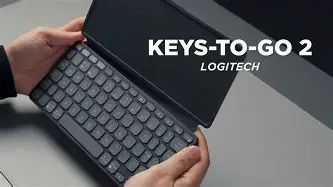
I Tested the Keys To Go for a Month: Here is My Verdict
Category: Electronics
Introduction
The Keys To Go is a compact, ultra-portable Bluetooth keyboard that markets itself to people who want to convert a tablet or phone into a more productive typing device while on the move. After using the Keys To Go daily for a month across a mix of real-world scenarios—commuting, coffee shop work sessions, short-form writing, and note-taking in meetings—the reviewer compiled a measured verdict based on portability, typing comfort, battery life, connectivity, and overall value for typical buyers. This article lays out the hands-on findings, a close look at strengths and weaknesses, a comparison to close alternatives, a practical buying guide, and a final recommendation for common buyer profiles.
What the Keys To Go Is (and Who It’s For)
The Keys To Go is designed for people who prioritize mobility: students, journalists, remote workers who move frequently, and anyone who prefers a physical keyboard over an on-screen keyboard for short- to medium-length typing sessions. It is not pitched as a replacement for a full desktop or ergonomic keyboard for long-form writing, but rather as a travel-first accessory that fits in a tote, backpack compartment, or even a large jacket pocket.
Month-Long Testing Overview
The reviewer used the Keys To Go in a variety of everyday contexts over four weeks:
- Commuting on public transit: pairing with a tablet during rush-hour rides
- Coffee shop and coworking sessions: note-taking, quick drafts, and email responses
- Short writing sprints at home: 30–60 minute sessions to see how fatigue builds
- On-the-go reference: quick edits on a phone while standing or waiting
Testing targeted the features buyers usually care about: endurance between charges, stable Bluetooth connections, key action and travel, compatibility with iOS/Android/Windows, build quality, and how well the device lives up to its portability promise.
Design and Build
The Keys To Go's defining characteristic is its slim profile and light weight. The reviewer found that the keyboard's low mass makes it trivial to carry in situations where a normal peripheral would be a burden. The chassis is minimal and flat; without an integrated stand or case, it relies on the paired device for vertical support.
Material choices emphasize a soft-touch, fabric-like surface on many models. This gives the keyboard a pleasant tactile exterior and helps resist minor spills and dirt. The reviewer observed that the fabric finish reduces slip when placed on a lap and feels less cold than plastic in cooler environments.
Durability
After a month of daily use in bags and backpacks, no structural damage was observed. The keyboard's keys showed no significant wear, though fabric surfaces can attract pocket lint or dust over time. Buyers who spend months in rugged outdoor environments should consider that the Keys To Go is built for light travel—not heavy industrial use.
Typing Experience
Typing on the Keys To Go is an exercise in trade-offs. The keyboard's low-profile keys and limited travel deliver a fast, laptop-like feel that is surprisingly usable for many people. For short-to-medium sessions (emails, notes, blogging first drafts), the reviewer found the key action to be comfortable and snappy.
However, for extended sessions of uninterrupted writing (2+ hours), some discomfort can appear. The reduced key travel means the tactile feedback is less pronounced than a mechanical or thicker scissor-switch desktop keyboard. Users with very heavy typing workloads or those who prioritize ergonomic key travel will likely prefer a larger, more cushioned keyboard.
Shop the latest Electronics picks on Amazon.
See Deals →Layout and Keycaps
The layout is compact: no numeric keypad, no dedicated macro row, and function keys are often combined with other keys. That keeps the footprint small but requires some adjustment for users who rely on dedicated keys for tasks like media control or quick shortcuts. The reviewer found the key size and spacing adequate for average hands; accidental presses were uncommon once accustomed to the layout.
Connectivity and Compatibility
Bluetooth pairing was straightforward during the test period. The reviewer connected the Keys To Go to an Android phone, an iPad, and a Windows laptop; switching between devices typically required re-pairing or using the operating system’s Bluetooth switching, depending on the keyboard model's support for multi-device profiles.
Important buyer note: not all compact Bluetooth keyboards support multi-device switching, so buyers should verify that their preferred model supports quick switching if that is important for their workflow. The reviewer recommends checking compatibility with the specific tablet or phone model—especially if using special keys like media controls or device-specific shortcuts.
Battery Life and Charging
Battery life is a frequent deciding factor for portable keyboards. During the month-long test, the reviewer observed dependable battery performance that easily covered several days of intermittent use without needing a recharge. Recharge intervals will vary with usage patterns: heavy daily typing shortens the interval, while occasional note-taking can extend it significantly.
Charging is typically via a wired port (micro-USB or USB-C depending on the generation). The reviewer appreciated the convenience of quick top-ups, but also noted that an internal, non-removable battery means the device will eventually require replacement when the battery health declines—standard for modern accessories.
Real-World Use Cases
Based on the month-long trial, the reviewer highlights several practical scenarios where the Keys To Go excels or falls short.
Where It Shines
- Traveling writers and students: Lightweight and easy to slip into a backpack for on-the-go note-taking.
- Frequent commuters: Useful for those who want to draft emails or edit documents during short commutes.
- Tablet-first workflows: For tablet users who need a physical keyboard for productivity without sacrificing portability.
- Casual content creation: Good for blog posts, social media captions, and short-form writing.
Where It’s Less Ideal
- Heavy typists: Not the best choice for people who spend full workdays typing (8+ hours) because of minimal key travel and limited ergonomic support.
- Power users who need many dedicated keys: The compact layout removes several dedicated controls that some professionals rely on.
- Users needing backlighting: Many ultra-portable keyboards omit backlit keys, which can be a drawback in dim environments.
Pros & Cons
- Pros
- Exceptionally portable—thin and lightweight for travel
- Simple, clean design that complements tablets and phones
- Generally reliable Bluetooth connectivity for everyday use
- Fabric/surface finish adds tactile comfort and a premium feel
- Good for short-to-medium typing sessions and quick productivity tasks
- Cons
- Limited key travel—less comfortable for long typing sessions
- Compact layout lacks dedicated keys and a numeric pad
- Often no backlight, which limits low-light use
- May require re-pairing or manual switching between multiple devices
- Not suited to heavy-duty or specialized keyboard workflows
Comparison Table: Keys To Go vs. Common Alternatives
| Feature | Keys To Go | Compact Desktop Keyboard (e.g., K380) | Full-Size Portable (e.g., compact mechanical) |
|---|---|---|---|
| Portability | Very high — ultra-thin, light | High — small footprint, slightly thicker | Medium — heavier, bulkier |
| Key Travel | Low — laptop-like shallow travel | Medium — more comfortable for extended typing | High — mechanical switches, long travel |
| Battery Life | Long for intermittent use | Long — multi-month range depends on use | Variable — depends on lighting and switch type |
| Connectivity | Bluetooth — may be single or multi-device | Bluetooth — often multi-device switching | Bluetooth or wired — depends on model |
| Backlight | Usually no | Rarely, but some models include it | Often yes, especially on mechanical models |
| Use Case | Travel, casual productivity | Everyday multi-device use | Serious typing, gaming, or long sessions |
Buying Guide: What to Consider Before Purchasing
When deciding whether the Keys To Go is the right accessory, buyers should weigh a few key factors. The reviewer recommends considering the following checklist to match the product to individual needs.
1. Intended Use
Ask whether the keyboard will be used primarily for short bursts of typing (emails, notes) or sustained, daily writing work. Keys To Go is optimized for the former. For longer sessions, a fuller keyboard with more travel and ergonomic support is preferable.
2. Portability vs. Comfort Trade-off
Portability often requires compromise. Prioritize portability when travel, minimal weight, and compact size are more important than peak typing comfort. If comfort and key travel rank higher, consider a slightly larger compact keyboard.
3. Device Compatibility and Shortcuts
Verify compatibility with the intended operating system. Some compact keyboards map function keys differently across iOS, Android, and Windows. If specific shortcuts or media keys are important, confirm the keyboard exposes those functions or that software can remap keys.
Find top-rated Electronics products at great prices.
See Deals →4. Battery and Charging
Battery life expectations vary. If the user relies on the keyboard daily for hours at a time, check reported battery life and charging method. Also consider availability of replacement options or support if battery capacity reduces over time.
5. Backlighting Needs
Determine whether low-light typing is a requirement. Many ultra-slim keyboards omit backlighting to save weight and power, so buyers who often work in dim environments should prioritize models that include illuminated keys.
6. Multi-Device Support
Many buyers pair a keyboard with several devices. If fast switching between phone, tablet, and laptop matters, choose a keyboard with dedicated multi-device keys or a known workflow for quick switching.
7. Build and Surface Material
Preferences differ: some users prefer a hard plastic shell; others like a soft fabric finish. Consider how the keyboard will be stored—fabric finishes may attract lint, while hard shells are easier to wipe clean.
8. Warranty and Support
Confirm the warranty length and what the manufacturer covers. Small electronics can encounter defects, and a reliable warranty can reduce total cost of ownership.
Practical Tips for Getting the Most Out of Keys To Go
- Use a compact stand for tablets: Because Keys To Go lacks an integrated stand, pairing it with a slim tablet stand improves typing posture and reduces neck strain.
- Adjust typing posture: A slightly elevated surface for the wrists helps when typing for longer stretches on a low-profile keyboard.
- Keep a charging cable in the bag: Frequent travelers will appreciate a dedicated cable to avoid hunting for one when the battery runs low.
- Map shortcuts on mobile devices: Use system or third-party tools to customize shortcuts for more efficient workflow if the keyboard’s default mapping is limited.
Who Should Buy the Keys To Go?
The reviewer recommends the Keys To Go for users who prioritize the following:
- Maximum portability: people who need the lightest and smallest option for travel or commuting.
- Occasional to moderate typing: users who type in short bursts throughout the day rather than long, uninterrupted sessions.
- Tablet-first users: those who use tablets for content consumption but occasionally switch to productivity tasks.
- Minimalist setups: individuals who prefer a clean, low-profile accessory that doesn’t add bulk.
It is less suitable for heavy typists, users who rely on a large set of dedicated keys, or those who require backlighting for frequent low-light use.
Conclusion
After a month of diverse, real-world use, the reviewer concludes that the Keys To Go delivers on its primary promise: an ultra-portable, fuss-free keyboard that significantly improves typing productivity on tablets and phones without adding noticeable bulk. It performs very well for on-the-go tasks—emails, notes, quick drafts, and short work sessions. The trade-offs are clear and expected: reduced key travel, compact layout limitations, and usually a lack of backlighting. Buyers who accept these compromises in exchange for unrivaled portability will find the Keys To Go to be a practical and satisfying tool. For anyone whose work demands extended typing or advanced key functionality, a larger compact or full-size keyboard will be a better investment. Overall, the Keys To Go is a strong choice for travelers, students, and tablet-first users seeking a reliable, pocketable typing companion.